Komnas Perempuan Holds Public Discussion on the Revision of the PPMI Law - Emphasizing Substantive Protection for Female Migrant Workers
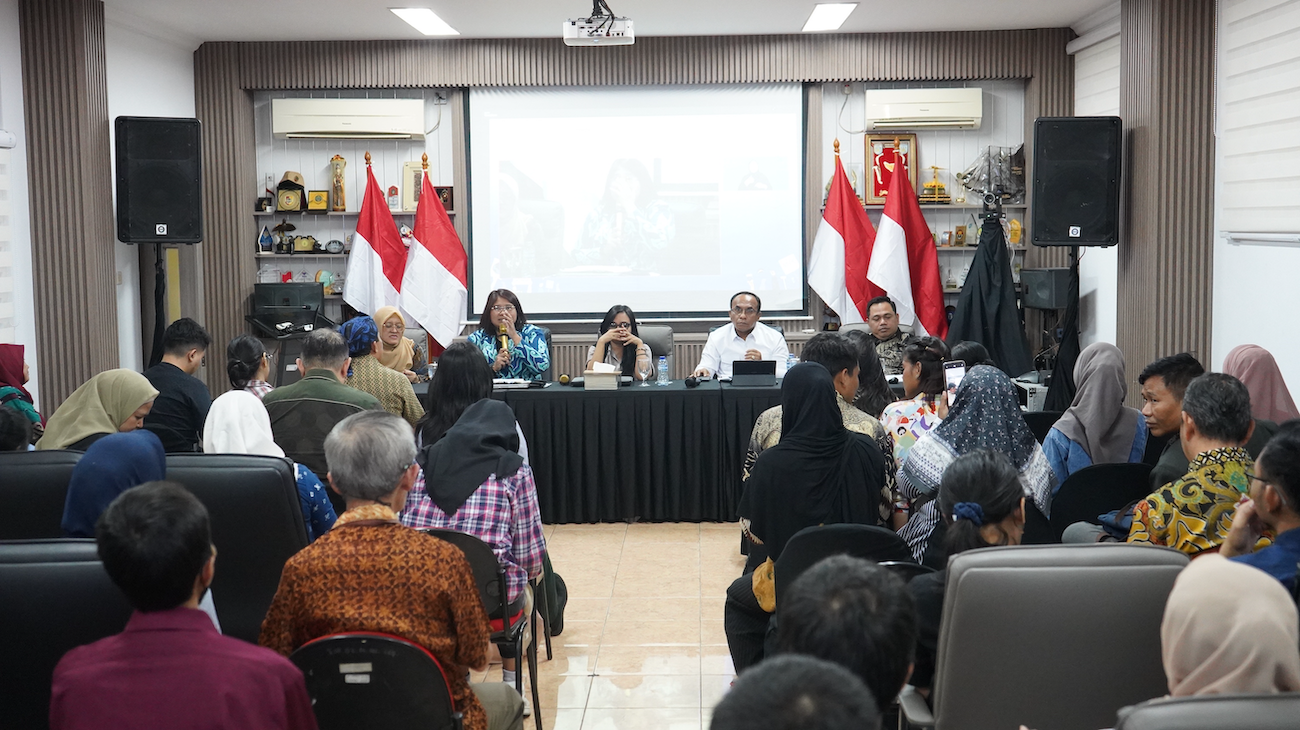
Komnas Perempuan Holds Public Discussion on the Revision of the PPMI Law: Emphasizing Substantive Protection for Female Migrant Workers
Komnas Perempuan held a hybrid public discussion titled “Revision of the PPMI Law and the Future of Protection for Indonesian Migrant Workers” in Jakarta on Monday (August 25, 2025). The event brought together representatives from the government, the House of Representatives (DPR), academics, civil society networks, and migrant worker organizations to discuss the direction of the revision of Law No. 18 of 2017 on the Protection of Indonesian Migrant Workers (PPMI Law).
The Chairperson of Komnas Perempuan, Maria Ulfah Anshor, emphasized in her remarks that migrant workers are not only “foreign exchange heroes” but also life warriors for their families and communities. However, this significant contribution has not been matched by adequate protection.
“The majority of migrant workers are women, particularly in the domestic sector, who often face rights violations, exploitation, and even violence. Komnas Perempuan’s records over the past seven years indicate the fragility of the existing protection system, with 1,389 cases of repeated violence occurring from recruitment to return,” she said.
Maria stressed that the revision of the PPMI Law must serve as a momentum to provide substantive protection based on human rights and gender justice, rather than merely technical changes. “Komnas Perempuan hopes that the process of amending this law will be participatory, listening to the voices of migrant workers, their families, and civil society organizations that have accompanied the victims.”
Komnas Perempuan Commissioner Devi Rahayu added that the institution has undertaken several strategic steps, including submitting official requests to the DPR and the Ministry of Manpower and Indonesian Migrant Workers Protection (KP2MI) to obtain draft bills and legislative materials, drafting policy papers with civil society, and providing input to the Deputy Minister of KP2MI. Komnas Perempuan has also sent a request for public hearings (RDPU) to the DPR, but has yet to receive a response.
Hendro Subiyantoro, Coordinator of the Expert Staff at the DPR Legislative Body (Baleg) and a resource person at the discussion, explained that the revision of the PPMI Law is listed in the 2025 National Legislative Program (Prolegnas) at number 21.
“This revision includes a total of 44 changes, consisting of 36 amended articles, 6 deleted articles, and 10 inserted articles or clauses. The first major issue concerns institutional adjustments due to the formation of a new ministry. The second is the expansion of migrant worker categories to include interns, seasonal workers, and cross-border workers,” Hendro stated.
According to him, the primary focus of the revision is protection. “Anyone working abroad must be protected. We cannot allow workers to be labeled as interns just because they are low-wage,” he emphasized.
Meanwhile, Dayan Victor Imanuel Blegur, Secretary of the Directorate General for Protection of Indonesian Migrant Workers (KPPMI), highlighted that most problems faced by migrant workers stem from non-procedural departures. “Because it is non-procedural, workers do not receive maximum protection from the state,” he explained. He emphasized the importance of clearer regulations regarding overseas internships and mechanisms for work competency certification to create a quality labor ecosystem.
From the civil society network perspective, several critical points were raised regarding the PPMI Law revision. First, rejection of the internship concept, which is considered prone to abuse and does not provide equal protection for workers. Second, opposition to proposals for amnesty for non-procedural migrant workers, as it may create negative stigma, even though protection is a state mandate based on Law No. 6 of 2012.
The discussion underlined that the revision of the PPMI Law is a crucial momentum to address the structural vulnerabilities faced by migrant workers, particularly women, ensuring that their safety and dignity are prioritized over economic interests.
